
Collection: CAT Pump Parts
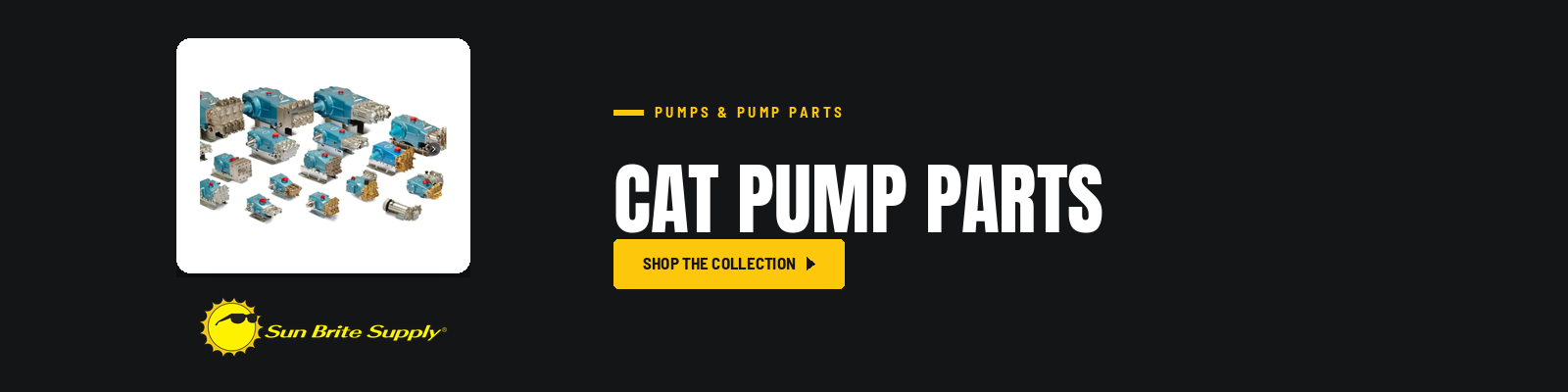
CAT Pump Parts
-
547961 Red Oil Cap wit...
Regular price $28.12Regular priceper -
46249 Retainer, Valve,...
Call For A Quote (301) 519-9274 -
43248 Back-up Ring, Va...
Call For A Quote (301) 519-9274 -
45186 Inlet Valve Spri...
Call For A Quote (301) 519-9274 -
44878 Discharge Valve ...
Call For A Quote (301) 519-9274 -
43358 O-ring, Valve Se...
Call For A Quote (301) 519-9274 -
541060 Valve, Check, U...
Call For A Quote (301) 519-9274 -
548193 Valve Unl 2DX P...
Call For A Quote (301) 519-9274 -
33822 Kit Valve (need 2)
Call For A Quote (301) 519-9274 -
33820 Valve Kit 56,57,...
Call For A Quote (301) 519-9274 -
30683 Valve Kit 43HS 4...
Regular price $177.95Regular priceper -
33057 Valve Kit for Tr...
Call For A Quote (301) 519-9274 -
547091 Plunger for Tri...
Regular price $95.38Regular priceper -
Case,seal Lps Bb 6DX,6...
Regular price $31.55Regular priceper -
34260 Kit Valve Nbr 5D...
Regular price $87.99Regular priceper
CAT Pump Repair Parts
A CAT pump rarely dies. It wears, and every wear part is in this collection: seal kits, valve kits, plungers, oil seals, and the odd bits like oil caps and seal case tools. Before you order, grab the model number off the pump's decal and call 301-519-9274. We match CAT pump repair parts by pump model, not machine brand, and we will tell you in one call whether you need a $10 seal or a $170 kit.
Diagnose the CAT Pump Before You Buy Parts
CAT pumps fail in patterns, and the symptom names the part. Milky oil means water is crossing the crankcase oil seals. A steady drip from the bottom of the manifold points to worn high or low pressure seals. Pressure that pulses or falls off usually traces to valves held open by debris or worn springs, not to the plungers. And scored, chalky plungers almost always follow a run-dry event or cavitation from a starved inlet. Match the symptom first, then order, and you stop buying parts twice.
Seal Kits, Valve Kits, and Plungers: What Each Fixes
A seal kit renews the water end packing and stops external leaks and pressure bleed. A valve kit replaces the six check valves that pulse pressure with every stroke, curing surging and slow pressure loss. Plungers are the ceramic rams themselves, and they only need replacement when cracked or scored, because a rough plunger will chew through new seals in weeks. The manufacturer's advice matches what we see at the counter: swap wear parts as complete kits. One fresh seal next to five tired ones just moves the leak.
Standard NBR or Hot Water Seals
Kits come in plain NBR for cold water duty and high temperature versions for hot water machines. If your pump lives behind a burner, spec the hot version, because standard nitrile hardens early at 180 to 200 degrees and you will be back in the water end by mid-season. Chemical-heavy duty, like pumping strong cleaning blends, also shortens seal life, so budget seals as a consumable there, not a repair.
Rebuild Tips That Prevent a Second Rebuild
Three habits separate a two-year rebuild from a two-month one. First, pull the seal cases with the proper T-handle tool instead of prying, because a gouged seal case never seals again. Second, find what killed the old parts. Dry running, long bypass runs that cook the water end, and unfiltered supply water are the usual suspects, and new seals fix none of them. Third, change the crankcase oil while the pump is apart and check it monthly after. Oil is the cheapest part you will ever put in a CAT pump.

Symptom to Part Lookup
| Symptom | Likely Fix | Price |
|---|---|---|
| Milky oil, 66DX series | 48911 oil seal | $12.12 |
| Milky oil, 2DX series | 55337 oil seal | $9.00 |
| Pulsing or fading pressure | 33057 valve kit | $142.82 |
| Valve service, larger frames | 33822 valve kit (order two) | $193.92 |
| Water dripping under the manifold | 33053 seal kit | $67.59 |
| Seal service, 313/343/353 pumps | 33623 seal kit | $172.13 |
| Low pressure seal weep, 4SF | 45188 low pressure seal | $17.66 |
| Scored or cracked plunger | 547091 plunger | $95.38 |
| 2DX surging in bypass | 548193 unloader valve | $20.98 |
| Pulling seal cases without damage | 45103 seal case removal tool | $52.88 |
Part fitment is model specific. Read the number off your pump and call before you order, and we will confirm the kit in a minute.
From the Field
Our CAT parts shelf is mostly oil seals, valve kits, and packing kits, and that ratio is the whole maintenance lesson. The water end wears, the crankcase lasts. Customers who bring in a pump with a spun bearing or a cracked rod almost always ran it months past the first milky oil warning. Check the oil through the sight glass weekly, and treat any color change as a stop-work order. The other counter lesson: the repair almost always costs a tenth of the pump. A 66DX that quit making pressure usually needs under $100 in parts, and people scrap them over it. Bring the pump in before you price a new one.
Related Collections
- CAT pumps when the crankcase really is done
- All pressure washer pumps
- AR pump parts, General Pump parts, and Comet pump parts
- Giant pump parts and Udor pump parts
- Pump oils for the refill after every rebuild
- Unloader valves and thermal relief valves
- Packing extraction tools and pump accessories
- Rebuild help in person at our Gaithersburg store
Frequently Asked Questions
How do I find my CAT pump model number?
Look for the metal data plate or decal on the pump crankcase, not on the machine frame. The model, like 66DX40GG1 or 4SF32ELS, is what determines every part number. If the decal is gone, bring the pump in and we will identify it.
Why is my CAT pump oil milky?
Water is getting past the oil seals into the crankcase. Change the oil, replace the oil seals soon, and do not keep running it, because water in the crankcase takes out bearings and rods that cost far more than seals.
Why is my CAT pump losing pressure or surging?
Start with the cheap suspects: a clogged inlet filter, then the check valves, then worn seals. Valves stuck open by debris cause most pulsing. Plungers are the last thing to suspect unless the pump ran dry.
How often should CAT pump seals be replaced?
There is no fixed clock. On filtered cold water a seal set can run years. Hot water, chemicals, and dirty supply water cut that sharply. Replace seals when you see a persistent drip or pressure loss, and always as a full kit.
Do I need special tools to rebuild a CAT pump?
Basic hand tools cover most of it, but the seal case removal tool pays for itself the first time you avoid gouging a case. On some models a packing extraction tool saves the manifold too.
Should I rebuild my CAT pump or replace it?
Rebuild, almost always. If the crankcase turns smooth and the oil has stayed clean, a seal or valve kit brings the pump back for a fraction of replacement cost. Replace only for cracked manifolds, spun bearings, or obsolete models.
Can you help me find the right CAT pump part?
Yes, that is most of what this counter does. Call 301-519-9274 with your pump model and symptom, or bring the pump to 16620 Oakmont Ave in Gaithersburg and we will match the parts on the bench.