
Collection: All Pressure Washing Chemicals

All Pressure Washing Chemicals
-
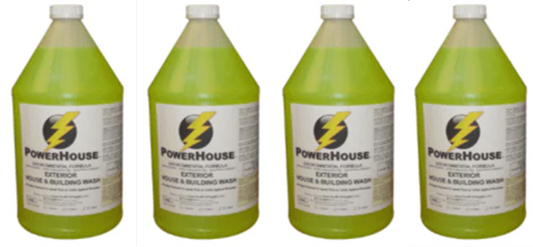
Powerhouse Professiona...
Regular price From $20.32Regular priceper -
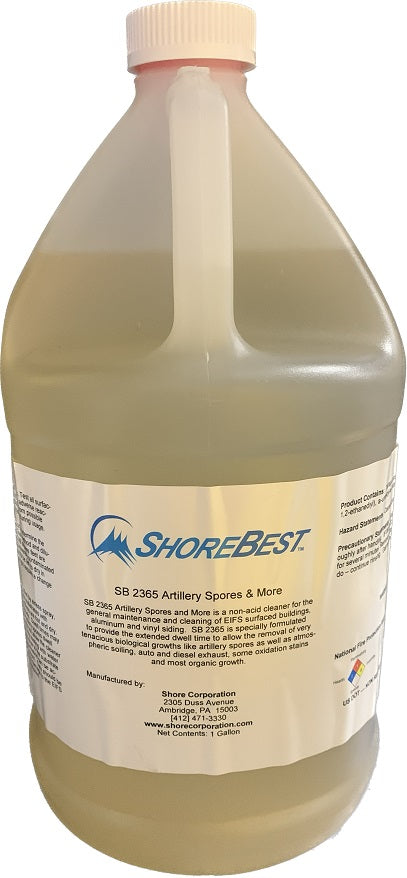
Artillery Fungus And S...
Regular price From $48.52Regular priceper -
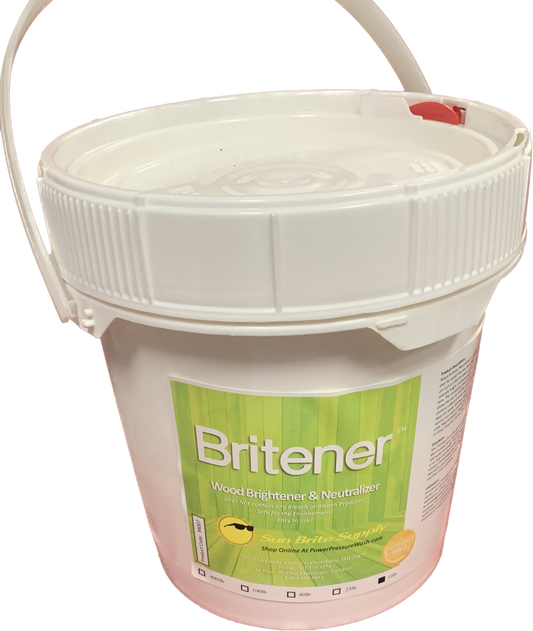
Wood Britener Cleaning...
Regular price From $18.45Regular priceper -
Roof And House Wash Cl...
Regular price From $29.79Regular priceper -
Hood Monster Kitchen E...
Regular price From $19.87Regular priceper -
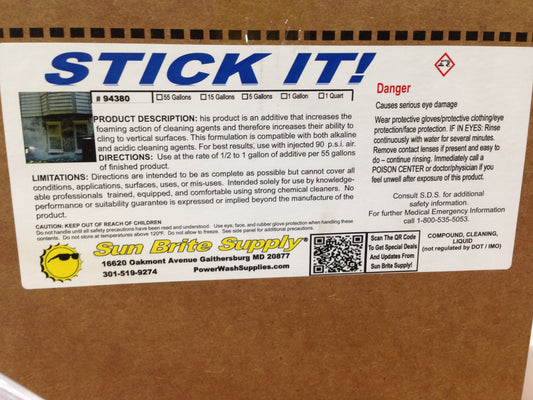
Stick-It Foamer Chemic...
Regular price From $22.97Regular priceper -
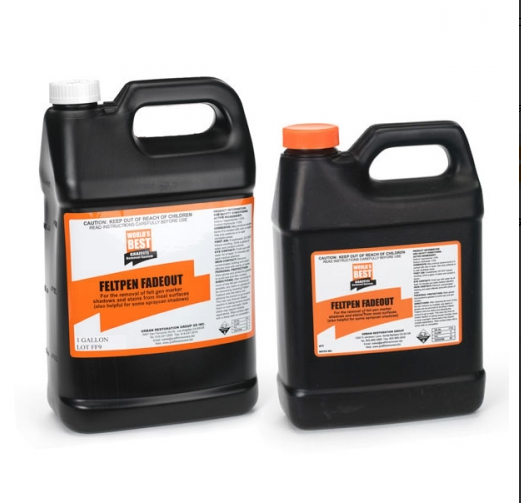
Worlds Best Graffiti C...
Call For A Quote (301) 519-9274 -
 Sold out
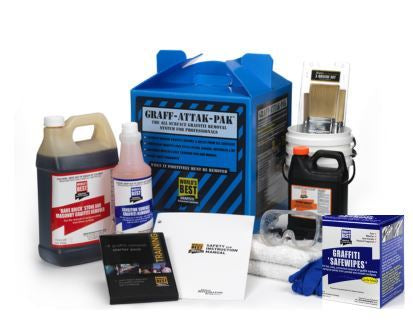
Graffiti Attack Pack
Call For A Quote (301) 519-9274Sold out -
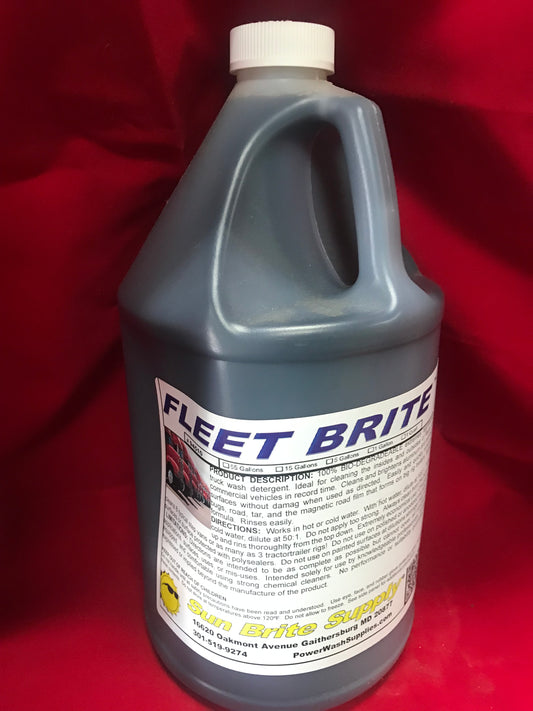
Fleet Brite Truck Wash
Regular price From $19.87Regular priceper -
Rust Pro Rust Stain Re...
Regular price From $42.25Regular priceper -
Big Truck Brite Truck ...
Regular price From $23.86Regular priceper -
Roof Dancer Pressure W...
Regular price From $26.93Regular priceper -
Ox Killer, 1 Gallon Pr...
Regular price $39.68Regular priceper -
Eff-X, 1 Gallon Pressu...
Regular price $43.65Regular priceper -
RV Antifreeze, 1 Gal, ...
Call For A Quote (301) 519-9274 -
Transgel - 1 Quart Cle...
Regular price $25.00Regular priceper -
Pro 80, 1 Gallon Clean...
Regular price $26.54Regular priceper -
Fiber Kleen Profession...
Regular price $22.49Regular priceper -
RV Antifreeze 50 Degrees
Regular price $8.44Regular priceper -
Pro Restore 21 Pressur...
Regular price From $38.79Regular priceper -
Pro Cleanse BC Pressur...
Regular price From $34.79Regular priceper -
12.5% Sodium Hypochlor...
Regular price $4.95Regular priceper -
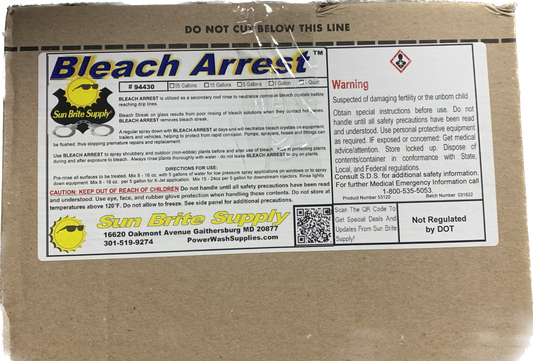
Bleach Arrest Bleach N...
Regular price From $20.42Regular priceper -
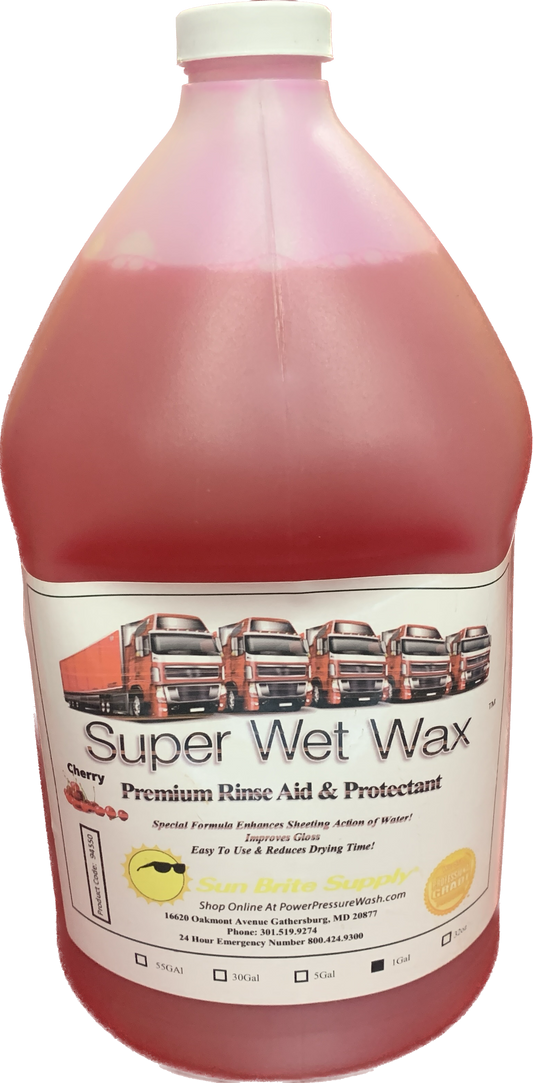
Super Wet Wax Pressure...
Regular price From $29.95Regular priceper -
So Soft Water Conditioner
Regular price From $28.14Regular priceper -
Transgel Worlds Best G...
Call For A Quote (301) 519-9274 -
Heritage Graffiti Remo...
Regular price From $69.00Regular priceper -
Bare Brick And Stone W...
Regular price From $24.95Regular priceper -
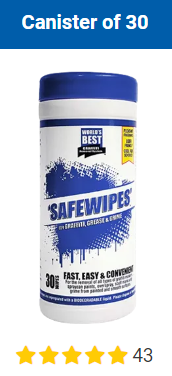
Graffiti Safe Wipes Wo...
Regular price From $9.95Regular priceper -
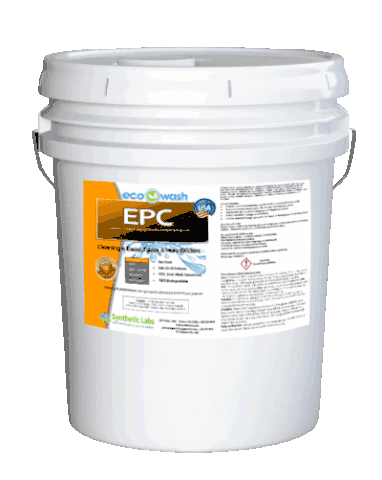
EPC The Environmentall...
Regular price From $23.73Regular priceper -
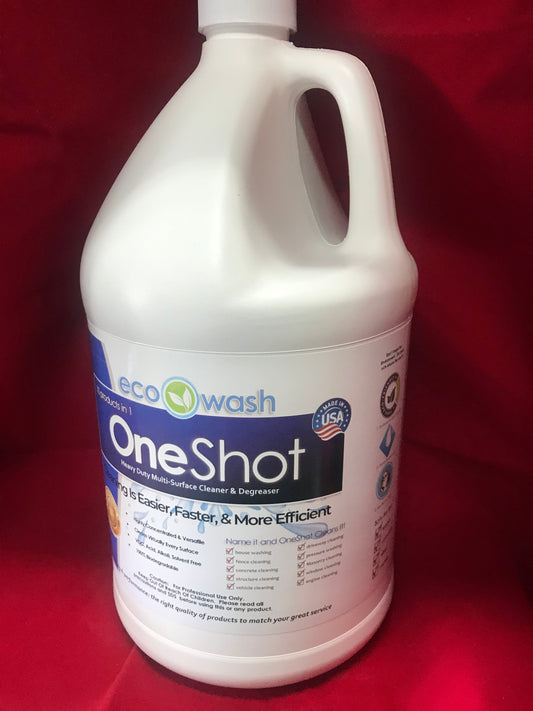
One Shot Degreaser Cle...
Regular price From $23.87Regular priceper -
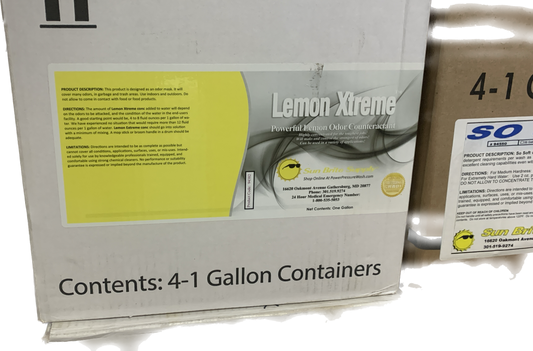
Lemon Xtreme Professio...
Regular price From $20.84Regular priceper -
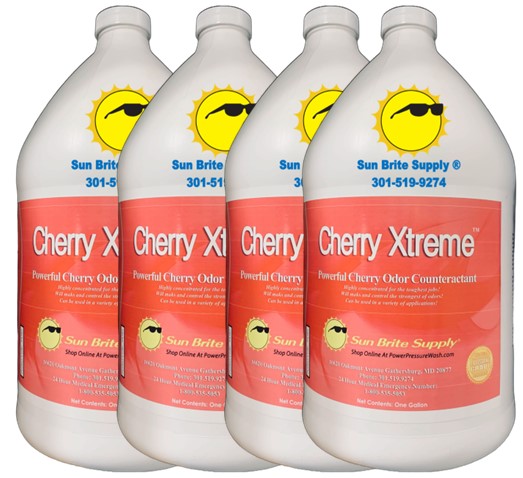
Cherry Xtreme Professi...
Regular price From $20.84Regular priceper -
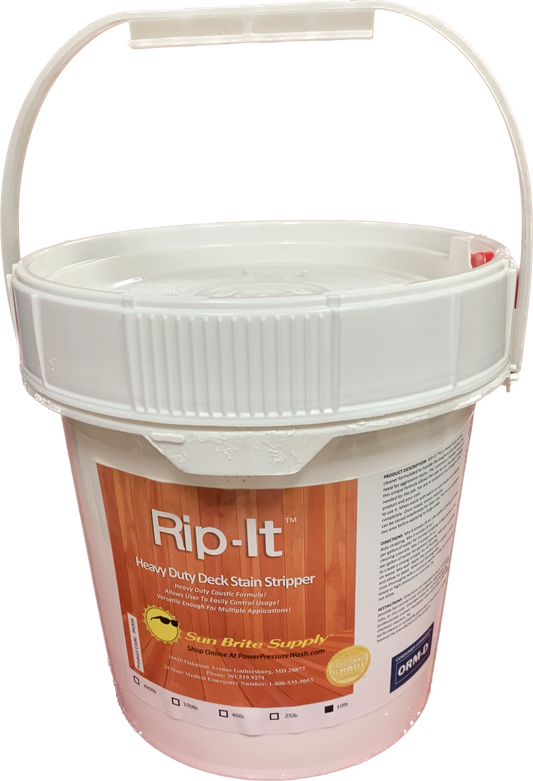
Rip It Deck Stain Remover
Regular price From $18.45Regular priceper -
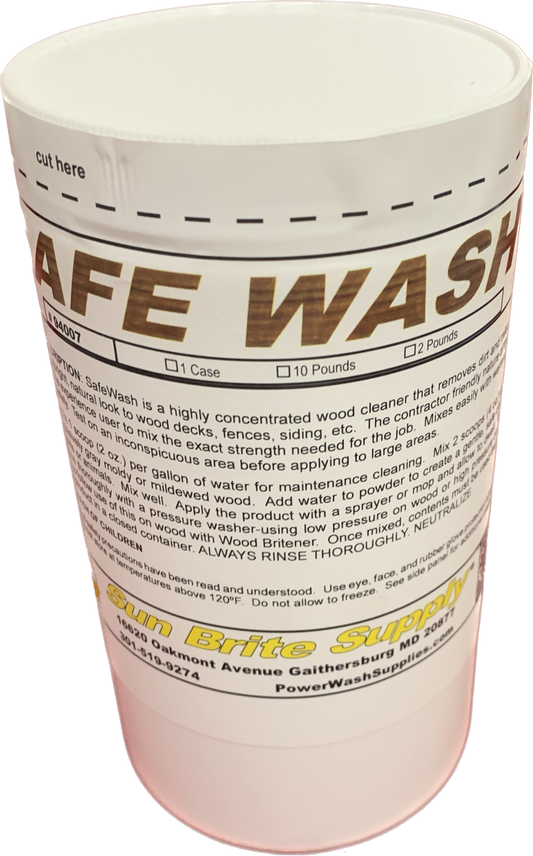
Safe Wash Professional...
Regular price From $16.95Regular priceper -
EZ OFF Composite Deck ...
Regular price From $16.95Regular priceper -
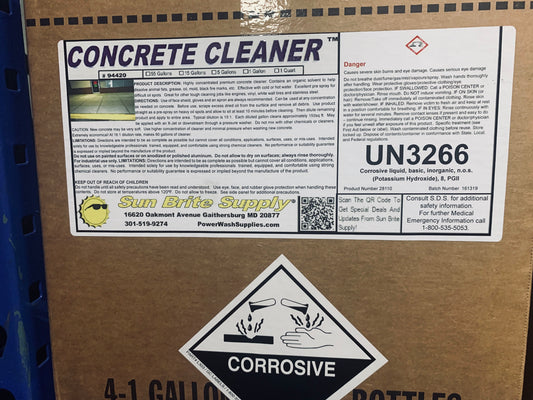
Concrete Cleaner Press...
Regular price From $21.89Regular priceper -
Smoke House Hood Clean...
Regular price $76.55Regular priceper































Pressure Washing Chemicals
Ask any veteran contractor and they will tell you the chemical does most of the cleaning. The machine just rinses. This page collects every pressure washing chemical we sell, from 12.5% sodium hypochlorite and house wash surfactants to degreasers, rust removers, and graffiti strippers. Not sure what kills the stain in front of you? Call 301-519-9274 and describe it. We have matched chemicals to stains at this counter for three decades.
Match the Pressure Washing Chemical to the Stain
Every stain falls into one of three families, and each family dies to a different chemistry. Organic growth like algae, mold, mildew, and moss is killed by oxidizers, which means sodium hypochlorite. Mineral stains like rust, efflorescence, calcium, and hard water spots need acid-side products. Petroleum stains like oil, grease, and diesel soot need alkaline degreasers. Spray bleach on a rust stain and you will actually set it darker. Identify the family first and you stop wasting product on chemistry that cannot work.
Sodium Hypochlorite Basics
SH is the workhorse of house and roof washing. We fill 12.5% sodium hypochlorite fresh, which matters because SH loses strength from the day it is made. Heat and sunlight speed the decay, and a drum stored in a hot truck can drop to half strength in a few weeks. Buy it fresh, store it cool and dark, and buy only what you will use in a month or two. On the surface you want roughly 1% strength for vinyl siding and 3% to 5% for asphalt shingle roofs. Household bleach at 6% with additives is the wrong tool. It costs more per ounce of active chlorine and the thickeners foul injectors.
Mix to a number, not a habit. Our free SH Mix Calculator takes your tested bleach strength, target percentage, batch size, and downstream setup (GPM, hose length, injector orifice) and gives you gallons of SH, gallons of water, and surfactant ounces.
Why a Surfactant Earns Its Keep
Straight SH sheets off vertical surfaces before it can finish killing the growth. A surfactant like Roof Dancer or EcoWash Roof and House Wash breaks the surface tension so your mix clings, foams where you sprayed it, and dwells long enough to work. Longer dwell means weaker mix and less product per house. The math favors the surfactant every time. If you are pulling chemical through a downstream injector at a 10:1 to 15:1 draw, a good surfactant is the difference between one pass and three.
Stain Lookup Table
| What you are fighting | Chemistry | Product | Price |
|---|---|---|---|
| Algae and mildew on siding or roofs | Oxidizer | 12.5% Sodium Hypochlorite | $4.95/gal |
| SH that will not cling to the wall | Surfactant | Roof Dancer | $26.93 |
| House wash in one jug | SH-compatible blend | EcoWash Roof and House Wash | $27.84 |
| Oil and grease on concrete | Alkaline degreaser | Powerhouse | $18.99 |
| Ground-in grime on flatwork | Concrete cleaner | F9 Grounds Keeper | $54.00 |
| Rust and fertilizer stains | Acid-side remover | Ox Killer | $39.68 |
| Efflorescence and calcium | Acid-side remover | F9 Efflo | $75.86 |
| Gray, weathered deck wood | Oxalic brightener | Wood Britener | $18.45 |
| Spray paint and marker | Solvent gel | Transgel Graffiti Remover | $64.95 |
| Road film on trucks and trailers | Fleet detergent | Big Truck Brite | $20.86 |
| Bleach overspray on plants or metal | Neutralizer | Bleach Arrest | $20.42 |
Prices shown are current single-unit prices and can change. Most of these sit on our Gaithersburg shelves, and a quick call confirms today's stock.

Mixing and Safety Rules That Are Not Optional
Never let acids and bleach meet, in a tank, a bucket, or a drain. The reaction makes chlorine gas and it will put you on the ground. Rinse your equipment between chemical families. Add chemical to water, not water to chemical. Wear splash goggles and nitrile gloves, keep the SDS sheets in the truck, and pre-wet any landscaping before the mix goes on the wall. When the job is done, a bag of Bleach Arrest neutralizes what landed where it should not have. One dead boxwood costs more than a season of neutralizer.
From the Field
The pattern we see at the counter: new washers buy too many specialty products and not enough of the basics. A crew that carries fresh SH, one good surfactant, one degreaser, and one rust remover can handle 90% of residential work. The other thing we see is guys fighting weak mix without knowing it. If your house wash suddenly stopped working, your SH is probably old, not your technique. Date your drums when you fill them. And keep a jug of So Soft water conditioner on the rig if you wash in hard water areas, because hard water eats surfactant performance and leaves spotting on glass.
Shop Chemicals by Job
- SH Mix Calculator: bleach-to-water ratios by surface
- House washing chemicals
- Roof cleaning chemicals
- Concrete cleaning chemicals
- Deck and wood cleaners
- Degreasers
- Fleet wash chemicals
- Graffiti removers
- Mineral stain removers
- Chemical additives
- Chemical injectors
- Chemical handling equipment
Prefer to smell test a surfactant before you buy a case? Visit the Gaithersburg store. Contractors do it daily.
Frequently Asked Questions
What chemicals do professionals use for house washing?
A soft wash mix of sodium hypochlorite diluted to about 1% on the wall, plus a surfactant to make it cling. That combination removes algae, mildew, and organic staining from siding without high pressure.
What strength sodium hypochlorite should I buy?
12.5% is the professional standard. You dilute it down for each surface, roughly 3% to 5% on roofs and around 1% on siding. Household bleach is weaker, costs more per active ounce, and its additives clog injectors.
How long does sodium hypochlorite stay good?
Figure 30 to 60 days at full strength when stored cool and dark. Heat and sun break it down fast. If your mix stopped performing, test or replace your SH before blaming anything else.
What takes oil stains off a driveway?
An alkaline degreaser, dwell time, and hot water if you have it. For old stains, apply the degreaser, let it work into the pores, then wash. Bleach does nothing for petroleum, so skip it here.
Can I mix a rust remover with my bleach mix?
No. Rust removers run acidic and bleach is a base. Mixing them creates chlorine gas, which is genuinely dangerous. Use them on separate days or flush the system completely between products.
Do I really need a surfactant?
If you wash anything vertical, yes. Surfactant keeps the mix on the surface long enough to kill the growth, which lets you run a weaker mix and use less chemical per job. It usually pays for itself in SH savings alone.
How do I keep bleach from killing plants?
Pre-wet everything green before you spray, keep a rinse man on the plants during the wash, and rinse again after. Follow up with a neutralizer like Bleach Arrest on heavy overspray areas.