
Collection: Ball Valves
Ball Valves
-
Centurion 3/8" Ba...
Regular price $88.29Regular priceper -
Centurion 1/2" Ba...
Regular price $105.68Regular priceper -
Ball Valve 316 S.s. 1/...
Regular price $40.48Regular priceper -
Ball Valve 316 S.s. 3/...
Regular price $32.99Regular priceper -
Ball Valve 316 S.s. 3/...
Regular price $29.71Regular priceper -
304 SS Ball Valve 6000PSI
Regular price From $75.99Regular priceper -
7000 PSI 1/2" FPT...
Regular price $64.81Regular priceper -
Nickel Plated 3/8"...
Regular price $57.95Regular priceper -
Nickel Plated 3/8"...
Regular price $50.56Regular priceper -
Plastic Ball Valve 1/4...
Regular price $19.56Regular priceper -
Plastic Ball Valve 3/8...
Regular price $19.56Regular priceper -
Repl. Handle for 7400P...
Regular price $9.99Regular priceper -
Ball Valve 3-WAY 3/8&q...
Regular price $71.12Regular priceper







Ball Valves
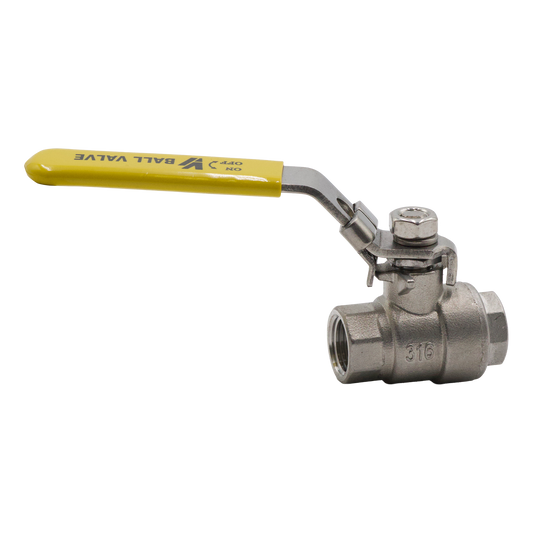
A ball valve at the end of your pressure hose lets you kill the water at the wand, swap from gun to surface cleaner, and never walk back to the machine. Sun Brite Supply carries high pressure ball valves from 450 to 7,400 PSI in brass, stainless steel, and poly, plus 3-way valves for softwash chemical systems. Tell us your machine's PSI and what you are plumbing at 301-519-9274 and we will match the valve to the job.
Choosing a Ball Valve for Pressure Washing
The most common ball valve setup in this trade sits between the pressure hose and the trigger gun, usually on a short whip line. Close it, and you can disconnect the gun and snap on a surface cleaner while the engine keeps running. That one part saves a trip to the machine at every attachment change, and on a full driveway day that adds up to real minutes and less wear on your unloader from repeated shutdowns.
Match the Pressure Rating First
The rating on the valve has to meet or beat the max pressure of your machine, with headroom. A 4 GPM at 4,000 PSI rig needs a valve rated well above 4,000, which is why the 6,000 PSI stainless valves are the standard pick for contractor machines. The 600 PSI plated brass valves and the little 450 PSI mini valves have a different job. They belong on water supply lines, buffer tanks, and chemical plumbing, never on the high pressure side. Put a low-rated valve on a pressure line and the first trigger release will find its weak point.
Stainless, Brass, or Poly
For high pressure work, 304 or 316 stainless with PTFE seats is worth the money. Stainless shrugs off the sodium hypochlorite that softwash work drags through every fitting, and PTFE seats keep the handle turning smooth after years of grit and chemical. Plated brass costs less and works fine on plain water supply plumbing. Poly ball valves are the right call on chemical transfer and batch tank lines, where bleach concentration would pit metal, but they are strictly low pressure parts. If your valve lives downstream of an injector pulling SH, buy stainless or poly, not bare brass.
Two-Way or Three-Way
A standard two-way valve is a simple on and off. A 3-way valve, like the SMC poly barb valve we carry, lets one line select between two sources or two outputs. Softwash rigs use them to switch between soap and rinse, or between two chemical tanks, without breaking a single connection. If you are building a 12 volt system, a couple of 3-way valves replace a lot of hose swapping.
Ball Valves by Rating and Price
| Valve | Rating | Best Use | Price |
|---|---|---|---|
| Mini Ball Valve 3/8" FPT | 450 PSI | Chemical and supply lines | $8.46 |
| SMC 3-Way Poly Valve, 1/4" Barb | Low pressure | Softwash soap and rinse selection | $18.55 |
| 316 SS Ball Valve 1/4" FPT | 1,000 PSI | Chemical-side stainless plumbing | $26.15 |
| Delta Plated Brass Valve 1/2" | 600 PSI | Buffer tank and supply shutoffs | $39.99 |
| Poly Ball Valve 1-1/4" FPT | Chemical rated | Batch tank and transfer lines | $43.55 |
| ALBA 316 SS Valve 3/8" NPT, PTFE | 1,450 PSI | Mid-pressure chemical systems | $55.99 |
| Zinc Plated Ball Valve 1/2" FPT | 7,000 PSI | High pressure lines on big machines | $64.81 |
| 304 SS Ball Valve 1/4" FPT | 6,000 PSI | Whip line gun swaps, 1/4" plumbing | $68.52 |
| 304 SS Ball Valve 3/8" | 6,000 PSI | The standard contractor whip line valve | $75.99 |
| 8109.2603.00 Ball Valve | 7,400 PSI | Ultra high pressure and jetting rigs | $200.45 |
Sizes and ratings move around as vendors update lines, so call to confirm availability before you build a parts order around one valve.

From the Field
Two habits separate the crews whose ball valves last from the crews who buy a new one every season. First, open and close the valve with a smooth quarter turn instead of snapping it. Slamming a valve shut at 4,000 PSI sends a water hammer spike back down the hose that beats on your unloader and hose crimps. Second, remember what happens at the machine while the valve is closed. Your pump goes into bypass, and bypass water heats up fast. A minute or two while you swap attachments is fine. Leaving the valve shut while you move cones and chat with the customer cooks pump packings. If your routine includes long pauses, look at a thermal relief valve as cheap insurance. And rinse chemical out of any valve at the end of the day. SH left sitting in a closed valve body is why levers seize over the winter.

Related Collections
- Swivels (pair one with your ball valve to stop hose twist)
- Whip lines
- Pressure washer guns
- Quick connects
- Unloader valves
- Check valves and float valves
- Thermal relief valves
- Soft wash equipment
- Stainless steel pipe fittings
- Local? Our Gaithersburg counter can pressure test a fit before you leave
Frequently Asked Questions
Where does a ball valve go on a pressure washer?
Most contractors mount it between the end of the pressure hose and the trigger gun, often on a short whip line. That lets you shut off flow at the wand and swap attachments without stopping the engine.
What PSI rating does my ball valve need?
At least the maximum pressure of your machine, and more headroom is better. For a typical 4,000 PSI contractor rig, a 6,000 PSI stainless valve is the safe standard.
Can I leave the ball valve closed while the machine runs?
Only briefly. With the valve closed the pump sits in bypass and the trapped water heats quickly. Swap your attachment and get back on the trigger, or shut the machine down for longer breaks.
Should I buy brass or stainless for softwash work?
Stainless with PTFE seats, or poly on low pressure chemical lines. Bleach pits brass over time, and a corroded valve seizes right when your hands are full.
What is a 3-way ball valve used for?
It lets one line choose between two paths, like soap and rinse tanks on a softwash rig, without disconnecting hoses. One handle turn changes the source.
Why does my ball valve leak at the handle?
The stem seal is worn, usually from grit and chemical. Some valves accept a stem repack, but on budget valves replacement is cheaper than the labor.
Do ball valves work on hot water machines?
Use a valve rated for your temperature as well as pressure. Quality stainless valves with PTFE seats handle hot water duty, while poly valves and cheap seats do not.