
Collection: Lances for Hot Water
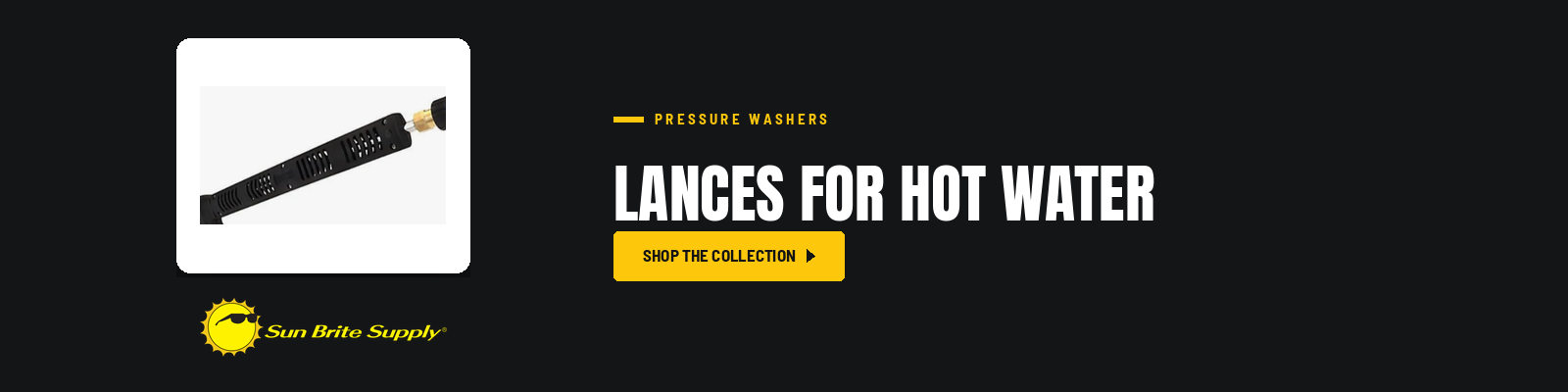
Lances for Hot Water
-
Steam Lance 3/8" ...
Regular price $307.25Regular priceper -
Stainless Steel Wands ...
Regular price $36.53Regular priceper -
Steam Lance 44" L...
Regular price $487.72Regular priceper -
42" Steel Lance W...
Call For A Quote (301) 519-9274 -
Gladiator Oval Stainle...
Regular price $50.48Regular priceper -
Gladiator Oval Molded ...
Regular price From $18.48Regular priceper -
St-002 Molded Grip 36&...
Regular price $41.95Regular priceper -
St-002 Molded Grip 47&...
Regular price $30.99Regular priceper -
St-007 Molded Grip 36&...
Regular price $14.95Regular priceper -
St-007 Molded Grip 24&...
Regular price $12.99Regular priceper -
St-007 Molded Grip 36&...
Regular price $13.99Regular priceper -
St-007 Molded Grip 47&...
Regular price $16.99Regular priceper -
St-007 Molded Grip 59&...
Regular price $29.99Regular priceper -
Suttner ST-007 79"...
Regular price $45.95Regular priceper -
St-009 Vent Grip 24&qu...
Regular price $40.95Regular priceper -
Suttner St-009 Vent Gr...
Regular price $30.99Regular priceper -
Suttner St-009 Vent Gr...
Regular price $43.24Regular priceper -
Vent Grip Stainless St...
Regular price From $47.14Regular priceper -
Gladiator Vent Grip Ch...
Regular price From $14.99Regular priceper -
St-002 Molded Grip 24&...
Regular price $18.99Regular priceper








Lances for Hot Water Pressure Washing
Run 250 degree water through a bare steel wand and you will find out fast why hot water lances exist. Every lance in this collection carries an insulated grip, either vented or molded, and pressure ratings up to 5,800 PSI, so the heat stays in the water and off your hands. Questions about fit or temperature ratings? Call 301-519-9274 and we will sort it out in a minute or two.
Choosing a Hot Water Lance
Three decisions cover it: grip style, tube material, and length. Get those right and the lance disappears into the work, which is exactly what you want from a part you hold eight hours a day.
Vented Grip or Molded Grip
A molded grip is solid insulation bonded straight to the tube. It is compact, tough, and fine for warm water and shorter run times. A vented grip adds an air gap between the tube and your hand, with slots that let heat escape instead of soaking into the plastic. On a machine running near 300 degrees for hours, the vented design stays noticeably cooler. That is why fleet washers and kitchen exhaust crews almost always reach for vent grip lances like the Suttner ST-009, while molded grip models like the Suttner ST-002 handle everything short of all-day burner work.
Zinc Plated, Chrome, or Stainless
Zinc plated lances cost the least and hold up well on plain hot water. Add chemicals to the picture and the math changes. Sodium hypochlorite and strong degreasers chew through plating and start rust at the nozzle end, where water sits after shutdown. Stainless steel shrugs that off. The price gap is small, often under twenty dollars, so crews running soap or SH through the wand should treat stainless as the default. Chrome plated sits in the middle and polishes up nicely for wash bay duty.
Length Is an Ergonomics Decision
Short 12 to 24 inch lances give you control in wheel wells, engine bays, and wash tunnels. The 36 to 47 inch range is the workhorse zone for trucks, equipment, and flatwork, long enough to keep hot spray and bounce-back away from your body. The 59 and 79 inch Suttner lances reach trailer roofs and box truck tops without a ladder. For true steam service there is no substitute for a schedule 80 steam lance, which uses heavy pipe and an insulated handle built for temperatures past the 300 to 340 degree ceiling of standard hot water lances.

Hot Water Lance Lineup
| Lance | Length | Material | Grip | Price |
|---|---|---|---|---|
| Suttner ST-007, 5,800 PSI | 24" | Zinc plated | Molded | $12.99 |
| Suttner ST-007, 5,800 PSI | 47" | Zinc plated | Molded | $16.99 |
| Suttner ST-007, 5,800 PSI | 79" | Zinc plated | Molded | $45.95 |
| Suttner ST-002, 5,800 PSI | 24" | Stainless | Molded | $18.99 |
| Suttner ST-002, 5,800 PSI | 36" | Stainless | Molded | $41.95 |
| Suttner ST-009 Vent Grip | 24" | Plated steel | Vented | $40.95 |
| Suttner ST-009 Vent Grip | 46" | Plated steel | Vented | $43.24 |
| Gladiator Vent Grip | Std | Chrome plated | Vented | $14.99 |
| Gladiator Vent Grip | Std | Stainless | Vented | $47.14 |
| 42" Steel Lance | 42" | Steel | Molded | $24.59 |
| Sioux Steam Lance, Sch 80 | 36" | Sch 80 pipe | Insulated handle | $307.25 |
From the Field
Lances are cheap and crews treat them that way, which is how people get hurt. A lance that has been dropped off a trailer, run over, or bent back straight has a stress point that hot water and 5,000 PSI will eventually find. When a wand kinks, retire it. At these prices a replacement costs less than a service call, let alone an injury. The other thing the counter teaches: check the threads where the nozzle holder seats. Operators crank fittings onto worn threads to stop a drip, split the holder, and blame the nozzle. A fresh lance with clean threads fixes a surprising number of pressure complaints. Buy two and keep the spare on the truck.
Related Collections
- All lances and wands
- Gun and lance combos
- Dual lances for soap and rinse work
- Steam guns and hot water and steam hoses
- Pressure washer guns
- Hot water pressure washers
- Wand accessories and quick connects
- Nozzle holders
Want to feel the grip difference before you buy? Both styles hang on the wall at our Gaithersburg shop.
Frequently Asked Questions
What makes a lance safe for hot water?
An insulated grip and a temperature rating that covers your machine, usually 300 to 340 degrees F on quality lances. A bare tube lance heats up within seconds of the trigger pull and stays too hot to hold.
Which stays cooler, a vented grip or a molded grip?
Vented. The air gap and slots let heat escape before it reaches your hand. Molded grips insulate well for shorter sessions, but on all-day burner work the vented style wins.
Is stainless steel worth the extra cost over zinc plated?
If chemicals ever run through the wand, yes. SH and degreasers eat plating and start corrosion at the nozzle end. On plain hot water, a zinc lance is a fine budget pick.
What length should I run for truck and fleet washing?
Most fleet washers settle on 36 to 47 inches. It keeps spray-back off you and reaches high panels without strain. Add a 59 or 79 inch lance for trailer roofs.
Can I use a hot water lance on a cold water machine?
Yes. The insulation and ratings only add margin. Many crews standardize on one lance style across hot and cold rigs to simplify spares.
When should a lance be replaced?
At the first kink, visible bend, or rust bloom, and whenever nozzle holder threads look chewed. A weakened tube at 5,000 PSI is a genuine safety risk and lances cost too little to gamble on.