
Collection: Mineral Stain Removers

Mineral Stain Removers
-
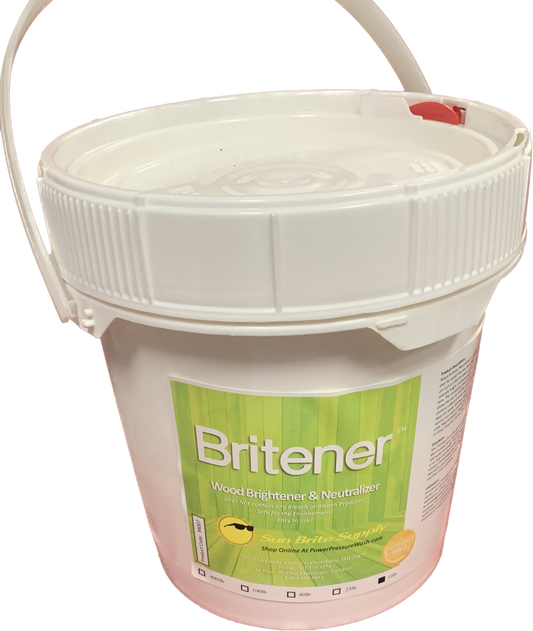
Wood Britener Cleaning...
Regular price From $18.45Regular priceper -
Pro Cleanse BC Pressur...
Regular price From $34.79Regular priceper -
Pro Restore 21 Pressur...
Regular price From $38.79Regular priceper -
Eff-X, 1 Gallon Pressu...
Regular price $43.65Regular priceper -
Pro 80, 1 Gallon Clean...
Regular price $26.54Regular priceper -
Rust Pro Rust Stain Re...
Regular price From $42.25Regular priceper -
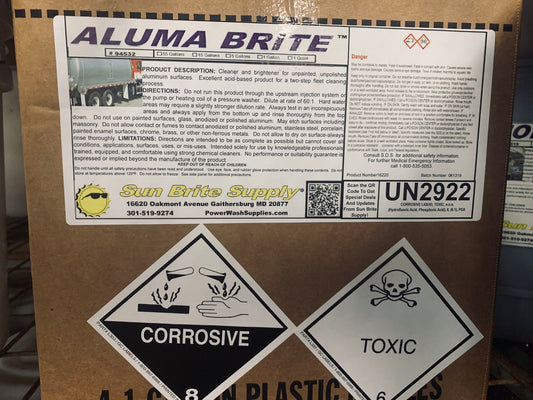
Aluma Brite Aluminum B...
Regular price From $24.84Regular priceper





Mineral Stain Removers for Rust, Efflorescence, and Hard Water
Bleach will not touch a rust stain. Neither will surfactant house wash, no matter how long it dwells. Mineral stains need mineral chemistry, and this collection holds the removers that do the work: F9 BARC and Efflo, Rust Pro, Aluma Brite, and brighteners for wood and masonry. Send us a photo of the stain by text or call 301-519-9274 and we will tell you which bottle solves it.
Know Your Stain Before You Buy the Remover
Every ugly orange, white, or gray mark on concrete falls into one of a few chemical families, and each family ignores the wrong cleaner completely. Organic stains like mold and algae die under sodium hypochlorite. Mineral stains laugh at it. Worse, hitting a rust stain with bleach can oxidize the iron further and lock the stain in deeper. Identify first, then treat.
Rust, Battery, and Fertilizer Stains
Orange and brown staining comes from iron: fertilizer granules left on a wet driveway, battery acid drips under a mower, irrigation water pulling iron up from a well, or metal furniture bleeding through a season of rain. F9 BARC is the industry benchmark here. Run it straight on heavy rust, cut it 1:1 for moderate staining, and 2:1 with water for light work. Apply to a clean, dry surface with a pump-up sprayer, give it 2 to 10 minutes, and rinse before it dries. A gallon of concentrate covers roughly 400 to 800 square feet, so one jug handles a lot of driveway. Rust Pro is our house-line alternative for straightforward rust marks on concrete and masonry.
Efflorescence, Calcium, and Hard Water Haze
That white chalky bloom on brick and block is efflorescence, salt carried to the surface by moisture moving through the masonry. Scrubbing spreads it around and rain brings it back. An acid-side product like F9 Efflo dissolves the deposit: straight for heavy crust, 1:1 for average bloom, up to 4:1 for light haze, working from the bottom of the wall up so runoff does not streak dry masonry. Eff-X and Brick Clean cover the same family of calcium, lime, and mortar haze problems. One warning worth the ink: if water keeps migrating through the wall, the salt keeps coming. Kill the moisture source or plan on a maintenance schedule.
Oxidation on Aluminum, and Gray Wood That Needs Its Color Back
Mineral chemistry earns its keep off the flatwork too. Aluma Brite strips the dull gray oxidation off aluminum trailers, diamond plate, and gutters and brings back the shine, which is why fleet washers keep it on the truck. On decks and fences, Wood Britener and Pro Restore 21 neutralize stripper residue and pull out tannin and rust staining, taking gray, weathered boards back to natural color before sealing. Pro 80 and Pro Cleanse BC round out the lineup for restoration cleanup work.
Stain-to-Product Lookup
| What You See | What It Is | Reach For | Price |
|---|---|---|---|
| Orange streaks or dots on concrete | Rust from fertilizer, irrigation, or metal | F9 BARC | $65.52 |
| Orange halo under equipment or batteries | Battery acid stain | F9 BARC, two coats | $65.52 |
| Plain rust marks on masonry | Surface iron staining | Rust Pro | $42.25 |
| White chalky bloom on brick or block | Efflorescence | F9 Efflo or Eff-X | $43.65 to $75.86 |
| Mortar smears and lime haze on new brick | Construction residue | Brick Clean | $21.59 |
| Dull gray aluminum trailer or gutters | Oxidation | Aluma Brite | $24.84 |
| Gray, weathered deck boards | UV oxidation and tannin | Wood Britener or Pro Restore 21 | $18.45 to $38.79 |
The F9 line, Aluma Brite, and the wood brighteners are stocked in Gaithersburg. Call ahead on the rest and we will confirm shelf quantities.


From the Field
Sequence is where most rust jobs go sideways. Wash the surface first, get the organics off, let it dry, then treat the mineral stain. Rust remover fighting through a layer of dirt and algae is money running down the driveway. Second habit: never let an acid-side product dry on the surface. Set a timer, keep a charged hose in hand, and rinse heavy. Third: test a patch behind a bush before treating the whole slab, because some decorative concrete and colored pavers react to acids with a lighter spot that reads as a new stain. And on repeat rust from irrigation wells, tell the customer the truth. The stain returns until the water is treated, so sell them a maintenance visit instead of a miracle.
Related Collections
- Concrete cleaning chemicals
- Brick cleaners
- Deck and wood cleaners and deck stains and sealers
- House washing chemicals for the organic pre-wash
- Fleet wash chemicals
- Pump-up sprayers for controlled application
- All cleaning chemicals
Want eyes on the stain? Bring a photo to the counter at our Gaithersburg store.
Frequently Asked Questions
What takes rust stains off concrete?
An acid-based rust remover formulated for masonry, like F9 BARC. Apply it to clean, dry concrete, let it dwell up to 10 minutes, and rinse well. Pressure alone will not remove rust, it just brightens the concrete around the stain.
Why did bleach make my rust stain look worse?
Bleach is an oxidizer and rust is already oxidized iron. Hypochlorite can push the reaction further and set the stain. Save the bleach for mold and algae, and put mineral chemistry on mineral stains.
What is the white powder coming through my brick?
Efflorescence. Water moving through the masonry dissolves salts and leaves them on the face when it evaporates. An efflorescence remover dissolves the deposit, but if moisture keeps wicking through the wall, the bloom will return until the water source is corrected.
Will these removers etch or discolor my concrete?
On plain gray concrete, used as directed and rinsed on time, no. Colored, stamped, or sealed surfaces can react, so test a hidden patch first and start with a diluted mix. Never let the product dry on the surface.
What causes the orange stains around my irrigation heads every summer?
Well water carrying dissolved iron. Every watering cycle deposits a little more, and it oxidizes orange on the concrete. A rust remover clears it in minutes, but expect it back unless the water gets treated. Many contractors put these customers on a seasonal schedule.
Do I remove rust before or after pressure washing?
After. Clean the surface, let it dry, then spot-treat the mineral stains on bare concrete. Treating through surface dirt wastes product, and rinsing the remover doubles as your final pass.