
Collection: Degreasers

Degreasers
-
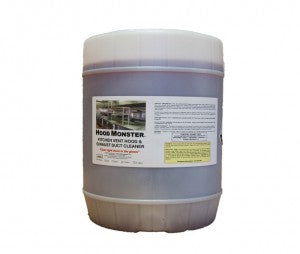
Hood Monster Kitchen E...
Regular price From $19.87Regular priceper -
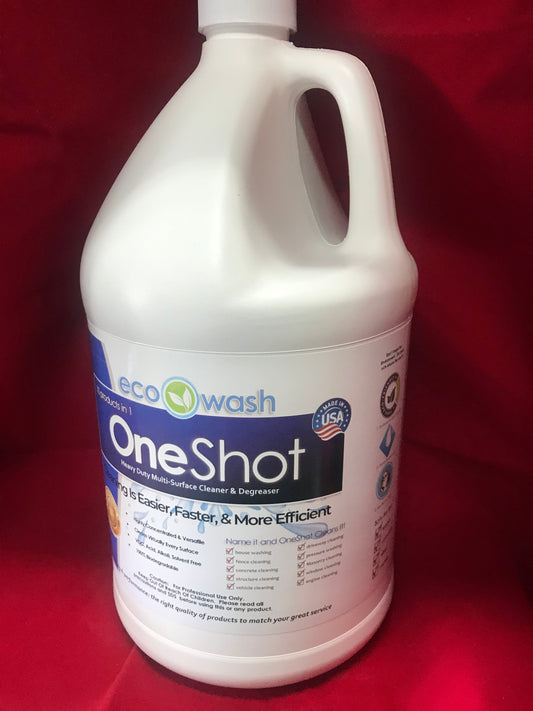
One Shot Degreaser Cle...
Regular price From $23.87Regular priceper -
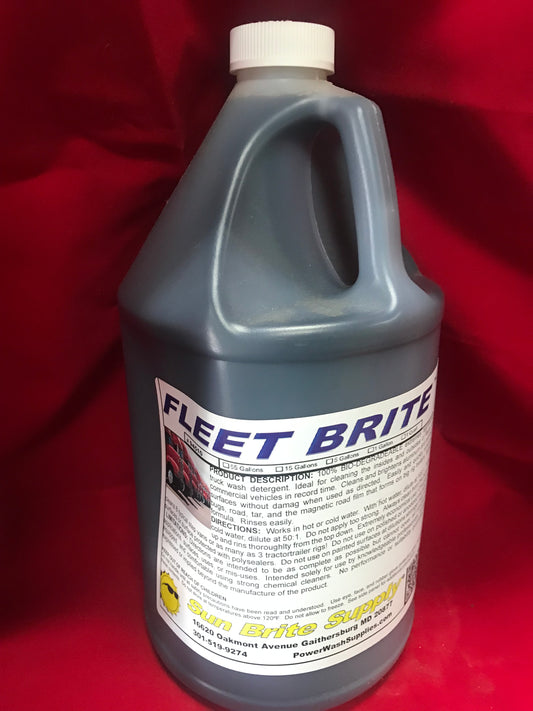
Fleet Brite Truck Wash
Regular price From $19.87Regular priceper -
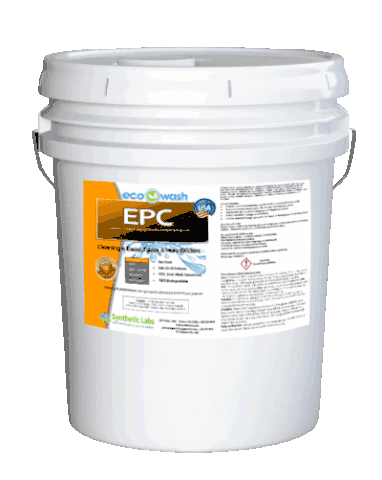
EPC The Environmentall...
Regular price From $23.73Regular priceper -
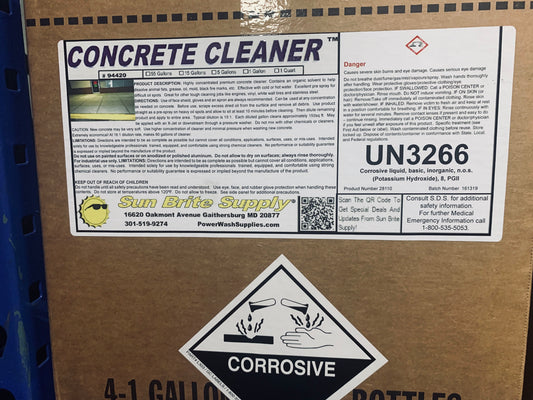
Concrete Cleaner Press...
Regular price From $21.89Regular priceper -
Smoke House Hood Clean...
Regular price $76.55Regular priceper -
F9 Double Eagle Degreaser
Regular price From $61.87Regular priceper







Degreasers That Earn Their Keep
Grease does not rinse off. It smears, spreads, and soaks in, and no amount of raw PSI changes that. A proper pressure washer degreaser breaks the oil down chemically so the water can carry it away. Every jug on this page is stocked at our Gaithersburg counter, and if you tell us what you are cleaning we will tell you which one to buy. Call 301-519-9274.
Picking the Right Degreaser for the Surface
Most commercial degreasers are alkaline. High pH chemistry saponifies fats and cuts petroleum film, which is why the same basic approach works on a service bay floor and a restaurant hood. What changes is strength and additives. Buy for the surface, not the brand name.
- Concrete and driveways: a dedicated concrete cleaner or an all-purpose alkaline like One Shot handles leaked oil, tire marks, and general grime on flatwork.
- Fleet and equipment: road film is grease plus exhaust soot plus minerals. Fleet Brite is blended to strip that film without hazing aluminum or paint when diluted right.
- Kitchen exhaust: baked-on carbon needs the strong stuff. Hood Monster and Smoke House are built for hoods, ducts, and fans where regular degreaser just polishes the grease.
- Heavy restoration work: F9 Double Eagle doubles as a degreaser and a neutralizer for restoration contractors working stained concrete.
Dwell Time and Heat Do the Heavy Lifting
The chemical does most of the work. Give it 5 to 15 minutes of contact on the surface before you rinse, longer on old stains that have soaked deep. Two rules keep you out of trouble. Never let degreaser dry on the surface, because dried alkaline film can stain and takes twice the water to remove. And use heat when you have it. Alkaline cleaners work noticeably harder at 110 to 140 degrees, which is why a hot water machine with a mild degreaser will outclean a cold machine with a strong one. Old set-in oil spots on concrete may need a second application or an overnight poultice with absorbent before the pressure rinse.
Getting It on the Surface
Downstream injection is the everyday method. It dilutes the concentrate automatically and lays chemical down at low pressure through a chemical injector. For vertical surfaces like truck sides, a foam cannon holds the mix in place so it can work instead of running off. For small stains, a pump-up sprayer puts stronger mix exactly where you want it. Rinse with a surface cleaner on flatwork so you do not leave wand stripes behind.

Degreaser Lineup
| Product | Built For | Notes | Price |
|---|---|---|---|
| Concrete Cleaner | Driveways, garage floors, flatwork | Downstreams well, budget friendly | $16.88 |
| Fleet Brite Truck Wash | Trucks, trailers, heavy equipment | Strips road film, paint safe when diluted | $19.87 |
| Hood Monster | Kitchen exhaust hoods and ducts | High alkaline, cuts baked-on grease | $19.87 |
| EPC Cleaner | Jobs with runoff concerns | Environmentally preferred formula | $23.73 |
| One Shot Degreaser | General purpose degreasing | The do-most-things jug on the shelf | $23.87 |
| F9 Double Eagle | Restoration and stain work | Degreaser plus neutralizer in one | $61.87 |
| Smoke House | Smokers, stacks, worst-case hoods | The heavy hitter for carbon buildup | $75.95 |
From the Field
Three lessons from the contractors who buy these by the case. First, test a small spot before you commit, especially on painted or anodized surfaces, because a strong alkaline at full strength will etch aluminum. Second, work shaded areas first on hot days so the mix does not flash dry on the concrete. Third, know where your rinse water goes. Degreaser runoff cannot legally enter a storm drain untreated in most jurisdictions, so plan containment on fleet and garage jobs before the first trigger pull. The EPC cleaner exists for exactly these jobs.
Related Chemical Collections
- All pressure washing chemicals
- Concrete cleaning chemicals
- Fleet wash chemicals
- Kitchen exhaust cleaners
- House washing chemicals
- Chemical additives
- Chemical handling equipment
- Foam cannons and foamers
- Pick up locally at our Gaithersburg store
Frequently Asked Questions
Will a degreaser remove old oil stains from concrete?
Fresh spills come out with one application and a hot rinse. Stains that have soaked in for months need repeat treatments, and the worst ones respond best to an overnight poultice of degreaser and absorbent material before pressure rinsing.
Do I need hot water to use a degreaser?
No, but it helps a lot. Alkaline degreasers work much faster at 110 to 140 degrees. With a cold water machine, compensate with a stronger mix and longer dwell time.
Can I run degreaser through my downstream injector?
Yes, that is the standard method for large areas. Draw the concentrate through the injector, let it dwell, then rinse at pressure. Flush the injector with clean water after every job so residue does not gum up the check valve.
How long should degreaser sit before rinsing?
Five to fifteen minutes for most work. The one hard rule is never let it dry on the surface. On hot concrete or in direct sun, work smaller sections and keep them wet.
Is degreaser safe on truck paint and aluminum?
At the right dilution, fleet formulas like Fleet Brite are paint safe. Full strength alkaline on bare aluminum will haze or etch it. Test a hidden spot first and rinse from the bottom up on vertical panels.
What is the difference between a degreaser and house wash soap?
House wash mixes are built around bleach and surfactants for organic growth like mildew and algae. Degreasers are high pH cleaners built for petroleum and fat. They are not interchangeable, and mixing chemistries in one tank is a good way to ruin both.