
Collection: Concrete Cleaners

Concrete Cleaners
-
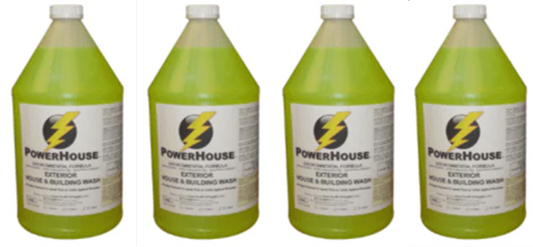
Powerhouse Professiona...
Regular price From $20.32Regular priceper -
Roof And House Wash Cl...
Regular price From $29.79Regular priceper -
12.5% Sodium Hypochlor...
Regular price $4.95Regular priceper -
F9 Double Eagle Degreaser
Regular price From $61.87Regular priceper -
Pro Cleanse BC Pressur...
Regular price From $34.79Regular priceper -
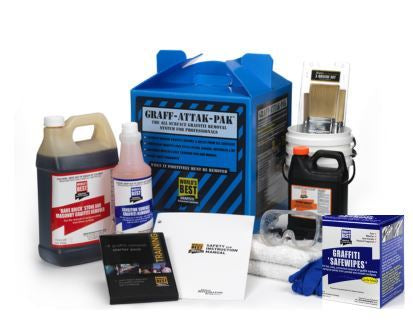
Bare Brick And Stone W...
Regular price From $24.95Regular priceper -
Pro Restore 21 Pressur...
Regular price From $38.79Regular priceper -
Eff-X, 1 Gallon Pressu...
Regular price $43.65Regular priceper -
Smoke House Hood Clean...
Regular price $76.55Regular priceper -
Pro 80, 1 Gallon Clean...
Regular price $26.54Regular priceper -
Rust Pro Rust Stain Re...
Regular price From $42.25Regular priceper -
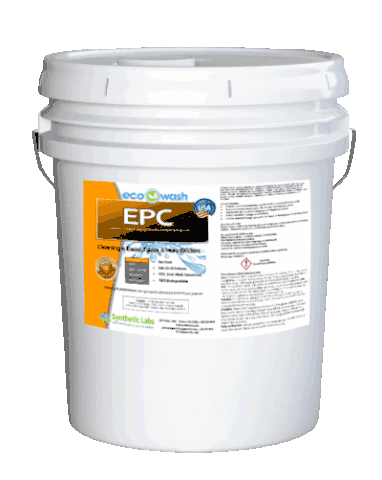
EPC The Environmentall...
Regular price From $23.73Regular priceper -
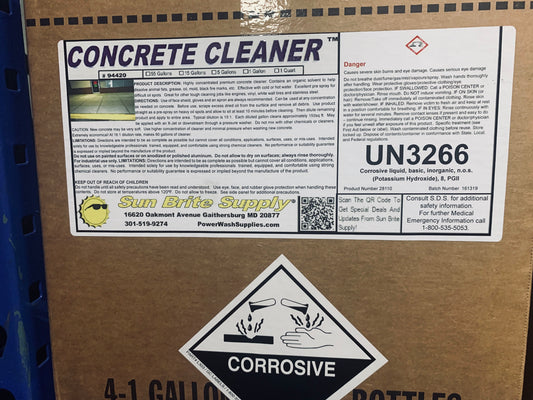
Concrete Cleaner Press...
Regular price From $21.89Regular priceper










Concrete Cleaning Chemicals
Water alone gets concrete about 70 percent clean, and customers notice the missing 30. The right concrete cleaning chemicals pull the oil, rust, and gray biofilm that pressure by itself leaves behind, and they cut your time on the job in half. Sun Brite Supply keeps degreasers, sodium hypochlorite, and stain-specific removers ready to go. Not sure what a stain is? Text a photo or call 301-519-9274.
Pick the Right Concrete Cleaning Chemical for the Stain
Concrete collects three kinds of dirt, and each ignores the wrong chemistry. Petroleum stains, meaning oil, grease, and tire shine, need an alkaline degreaser. Organic staining, the gray and green film from algae, mildew, and plain weathering, responds to sodium hypochlorite. Mineral and metallic stains, like rust and efflorescence, only move for an acid-side product. A driveway usually has all three at once, which is why one magic jug never exists and why contractors carry two or three.
Oil and Grease: Reach for a Degreaser
Bleach does nothing to motor oil. An alkaline degreaser breaks the petroleum bond with the concrete so hot water or agitation can lift it. Apply to a dry surface when you can, since water in the pores blocks the degreaser from getting where the oil lives. Give it 10 to 15 minutes of dwell, agitate with a stiff brush on old stains, then wash. Deep stains that have soaked for years may lighten in stages over two or three treatments, and it pays to tell the customer that before you start.
Gray and Green Film: Sodium Hypochlorite
Most of what makes a driveway look dirty is alive. Algae, mildew, and mold shrug off pressure and grow back in weeks unless they are killed with 12.5 percent sodium hypochlorite cut down to a 2 to 4 percent hit at the surface. Contractors downstream it before washing, then apply a lighter post-treat afterward to even out the color and slow regrowth. That final pass is the difference between a driveway that looks washed and one that looks new.
Rust and Mineral Deposits: Acid-Side Products
Orange streaks from fertilizer, irrigation wells, and rusting metal will not respond to bleach or degreaser. They need a rust-specific remover like F9 BARC, which converts the iron staining so it rinses out of the pores. Same story with the white crust of efflorescence, which takes an acid product. Keep acids off polished or sealed concrete without a test spot, because acid etches.
How the Pros Run a Concrete Job
The standard flow: pre-treat problem spots with the right chemical, run the whole surface with a surface cleaner instead of a wand so you do not leave zebra striping, rinse everything to the lawn-safe side, then post-treat with diluted SH for an even cure. Hot water speeds up every step and is close to mandatory on gas station pads and dumpster areas. Cold water plus the right chemical still beats hot water with no chemical.

Concrete Chemical Lineup
| Job | Chemical | Jug price |
|---|---|---|
| Algae, mildew, pre and post-treat | 12.5% Sodium Hypochlorite | $4.95/gal |
| Everyday driveways and sidewalks | Concrete Cleaner | $16.88 |
| General grime, house-safe formula | Powerhouse Professional Cleaner | $18.99 |
| Runoff-sensitive commercial sites | EPC Environmentally Preferred Cleaner | $23.73 |
| Oil, grease, and tire marks | Pro 80 Degreaser | $26.54 |
| Heavy petroleum, drive-thru pads | F9 Double Eagle Degreaser | $61.87 |
| Batting cleanup on stubborn gray | F9 Grounds Keeper | $54.00 |
| Rust and orange battery stains | F9 BARC Rust Remover | $65.52 |
Pricing shifts with the chemical market. Call ahead for case and drum quantities.

From the Field
Two habits separate the crews that get referrals from the crews that get callbacks. First, they post-treat every flatwork job, because concrete that dries blotchy makes the whole wash look cheap even when it is clean. Second, they quote oil stains as a separate line item with honest expectations, since a five year old oil patch may never reach 100 percent. Customers accept 85 percent when you say it up front and demand a refund when you promise perfection. One supply note from our counter: guys burn through more money replacing downstream injectors eaten by strong SH than they ever spend on the chemical itself, so flush your injector with fresh water at the end of every day.
Related Collections
- Surface cleaners for flatwork production
- Concrete cleaning equipment
- Driveway cleaning equipment
- Degreasers
- Brick and masonry cleaners
- Mineral stain removers
- Downstream chemical injectors
- Fleet wash chemicals
- All chemicals
- Pick up locally at our Gaithersburg store
Frequently Asked Questions
What do professionals spray on concrete before pressure washing?
Most pros pre-treat with diluted sodium hypochlorite for organic staining and hit oil spots with a degreaser first. Pre-treating loosens the dirt so the surface cleaner pass moves faster and finishes cleaner.
Will bleach remove oil stains from a driveway?
No. Sodium hypochlorite kills organic growth but does not touch petroleum. Oil needs an alkaline degreaser with dwell time and some agitation, ideally applied to dry concrete so it can penetrate the pores.
What is post-treating and is it worth the extra step?
Post-treating is a light application of diluted SH across the whole surface after washing. It evens out the color as the concrete dries and delays regrowth. It takes ten minutes and it is the cheapest upgrade to your finished result.
Is sodium hypochlorite safe for concrete?
Yes at normal working strengths. Concrete tolerates SH fine. Protect nearby plants by wetting them before and after, and keep runoff out of storm drains where local rules require it.
Why does my concrete look blotchy after cleaning?
Usually uneven dwell or a wand instead of a surface cleaner. Stripes and clouds show up as the slab dries. A post-treat pass of diluted SH usually evens the tone. If the blotch is dark and localized, it is likely oil that needs a degreaser.
Can I let concrete cleaner dry on the surface?
Do not. Dried chemical leaves residue lines and can stain sealed surfaces. Keep the surface wet through the dwell, then rinse fully. Work in shade-sized sections on hot days.